
Proposed Victorian National Park Threatens 4WD Tourism Revenue and Iconic 4WD Areas
The proposed Great Forest National Park aims to expand protected areas in Victoria's Central Highlands. While conservationists support environmental protections, concerns centre on the impact to recreational access for 4WD enthusiasts.
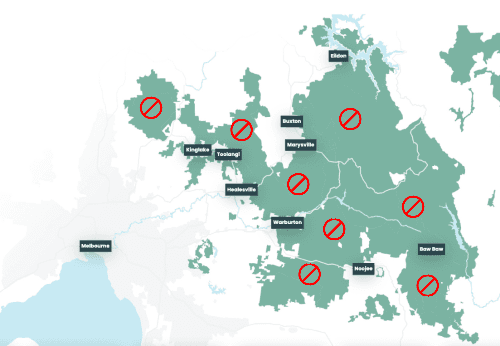
The proposed Great Forest National Park initiative aims to expand Victoria's protected areas across the Central Highlands to preserve endangered species and ecosystems following the end of timber logging operations. While conservationists support the environmental protections, concerns centre on recreational access restrictions.
Key Concerns About Access Restrictions
The proposed park will significantly limit popular activities including camping, 4WD driving, bushwalking, horse riding, and hunting. According to the project's FAQ, "It is likely that there will be designated tracks specifically for 4x4 driving and some sensitive areas where vehicles will not be permitted."
State Forest vs. National Park Governance
Victoria distinguishes between state forests and parks through different legal frameworks. State Forests under the Forests Act 1958 allow multiple uses including timber production, recreation, and conservation with flexible recreational access. National and State Parks under the National Parks Act 1975 prioritise conservation with stricter regulations limiting activities.
Project Scale
The proposed park encompasses 525,000 hectares — tripling existing national park territory and representing 2.3% of Victoria's total area.
Economic Impact
Newtracs is conducting research using platform data from over 100,000 users to assess the economic implications. The study examines average spending per trip, annual trip frequency, market multiplier calculations, and vehicle maintenance and upgrade expenses.
Previous analyses projected potential annual benefits of $71.1 million and 760 jobs, though acknowledging limited baseline data on current forest usage patterns.